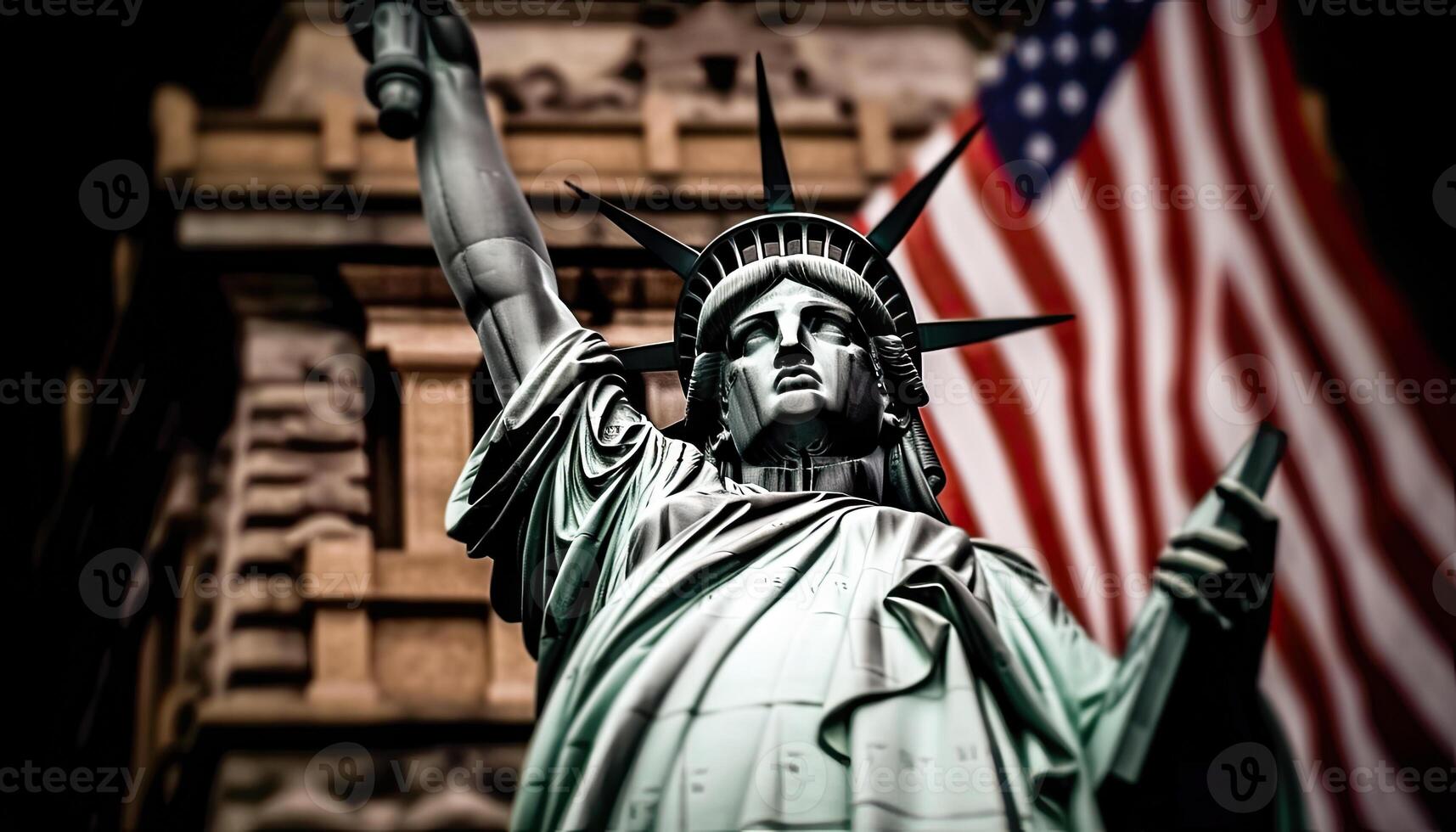

Veterans of Foreign Wars Scholarships and Essay Contest


If you are interested in politics and history, enjoy public speaking, and champion US democracy, you may have what it takes to win one of the Veterans of Foreign Wars Youth Scholarships. This post illustrates the main features of these prestigious scholarships and provides advice for a successful application.
What is the Veterans of Foreign Wars Scholarship?
Veterans of Foreign Wars (VFW) is one of the most important associations of US military veterans. Its mission is to promote US democracy and patriotism amongst US citizens of any age but, above all, the younger generations. Each year, VFW awards Voice of Democracy scholarships of up to $35,000 to high school students in grades 9-12 who share its values.
To be awarded VFW scholarships, students must enter an essay competition organized by VFW itself called ‘Voice of Democracy’. This competition is based on a predefined essay question (prompt) which requires participants to write an essay addressing the themes of patriotism and US democracy. For instance, the prompt for 2026-27 is “What a Veteran Taught Me About America,” and the prompt for 2025-26 was “How Are You Showing Patriotism and Support for Our Country?”
Unique Features of the Essay Contest
Unlike most essay contests, which are generally open to students from across the world, ‘Voice of Democracy’ is open to students in grades 9-12 who are enrolled in a public, private, or parochial school or a home study program in the United States, its territories, and its possessions. Dependents of US military or civilian personnel in overseas schools can also enter. US citizenship is not required, but students must be lawful US permanent residents or have applied for permanent residence (with an application that has not been denied) and intend to become US citizens at the earliest opportunity allowed by law.
Foreign exchange students, students age 20 or over, and GED or Adult Education students are not eligible for ‘Voice of Democracy’.
Winning essays tend to express ideas that align with VFW’s founding values. In other words, ‘Voice of Democracy’ leaves little room for ideas that depart from its founding principles.
Moreover, ‘Voice of Democracy’ entries consist of a typed essay, an audio recording, and a completed entry form. Participants record a reading of the same essay in their own voice, in English, as an MP3 file with no video. The recording must run 3-5 minutes (+ or – 5 seconds).
The recording cannot include music, singing, poetry, or sound effects. VFW also requires every participant to be the sole author of the essay, and inappropriate use of ChatGPT or other AI tools is not allowed.
The oral delivery of the essay is part of the judging criteria. Delivery and originality are each worth 35 points, and content is worth 30 points. Participants should read the essay in a ‘clear and credible manner’; in other words, as if it were a public speech.
The 2026-27 Voice of Democracy entry form lists the full rules. Students submit their entry to a participating local VFW Post by midnight on October 31, 2026.
Reasons To Partake In The VFW Competition
Although the ‘Voice of Democracy’ essay contest is not open to everyone, the awards offered by VFW are substantial and may make your educational journey easier finance-wise. There are also two categories of winners – national and VFW departments (state) - and a winner for each participating state, which increases your chances of obtaining a scholarship. For instance, the national first place winner receives a $35,000 scholarship paid directly to the recipient’s American university, college, or vocational/technical school. The second place winner receives $21,000, and the third place winner receives $15,000. The first place winner from each VFW Department (state) receives a scholarship of at least $1,000.
Winning a VFW scholarship also constitutes an asset for your college application since ‘Voice of Democracy’, as an essay competition, demonstrates understanding of democratic values and history, an active commitment to civic duties as well as outstanding oral and written communication skills. The national first place winner delivers the winning essay at the VFW Parade of Winners ceremony, which was held at the Union League of Philadelphia in 2026 and streamed live. Every VFW Department (state) first place winner also receives a trip to Founding Forward’s Spirit of America Youth Leadership experience at Valley Forge, a four-day program with mock congressional debates, a free enterprise challenge, and visits to historical sites.
How to Build Your Essay Around a Veteran
The 2026-27 ‘Voice of Democracy’ theme, “What a Veteran Taught Me About America,” centers on a lesson a student learned from a veteran. The Library of Congress Veterans History Project invites anyone age 15 or older to interview a veteran in their life or community. Students who do not know a veteran can ask the local VFW Post that will receive their entry whether a member is willing to share a story.
The Veterans History Project publishes lists of sample interview questions that work as an outline for the conversation, not as a script. The Veterans History Project recommends a pre-interview conversation first, followed by a list of questions tailored to that veteran’s own experiences.
A 3-5 minute ‘Voice of Democracy’ recording leaves room for one story. As a suggested starting plan, not an official VFW recommendation, students can pick the single moment from the interview that best shows what the veteran taught them about America. VFW also requires every essay to be anonymous, so the body of the essay cannot include the student’s name, address, or school name.
Bonus: Tips to Win the VFW Scholarship
1. Understand the Theme and Criteria
Familiarize yourself with the essay prompt and the three VFW essay judging criteria. The essay must address the theme head-on while earning points on all three criteria. Originality is worth 35 points, delivery is worth 35 points, and content is worth 30 points.
2. Practice Your Delivery
You need to practice delivering your speech several times because it will be recorded in audio format. Speak clearly with good diction, neither too fast nor too slowly, and with conviction. Listen back to your recording and be ready to record your delivery a few times before submitting it.
3. Seek Feedback
Ask teachers, family members, or friends to read your essay and listen to your recording and to provide suggestions for improvement.
4. Edit and Proofread
Set aside time for proofreading. After each full or partial draft, physically walk away from your work, take a break (ideally 24 hours if you can) and spend some time doing something completely different. Then reread your essay out loud. This, together with the break, will allow you to look at your work with fresh eyes and to detect grammar mistakes, typos, and awkward sentences more easily.
Winning a Veterans of Foreign Wars Youth Scholarship is a great accomplishment. It can facilitate your education by providing financial support and increasing the chances of being accepted by prestigious colleges and universities. Always remember that a commitment to reading trustworthy sources, clear writing, and careful editing is essential.
If you are interested in writing high-quality papers and engaging with university-level research, consider joining Indigo Research programs. At Indigo, we help high school students create publishable papers and essays. If this scholarship is your goal, let us help you make it a reality.
The VFW Voice of Democracy contest is a great opportunity for high school students to develop their writing, communication, and critical-thinking skills while competing for significant scholarships.
At Indigo Research, students work one-on-one with expert mentors to explore their interests through original research. Discover how Indigo Research can help you strengthen your academic skills and build a standout profile for college applications.